
Does RV Insurance Cover Full-Time Living?
June 1, 2026
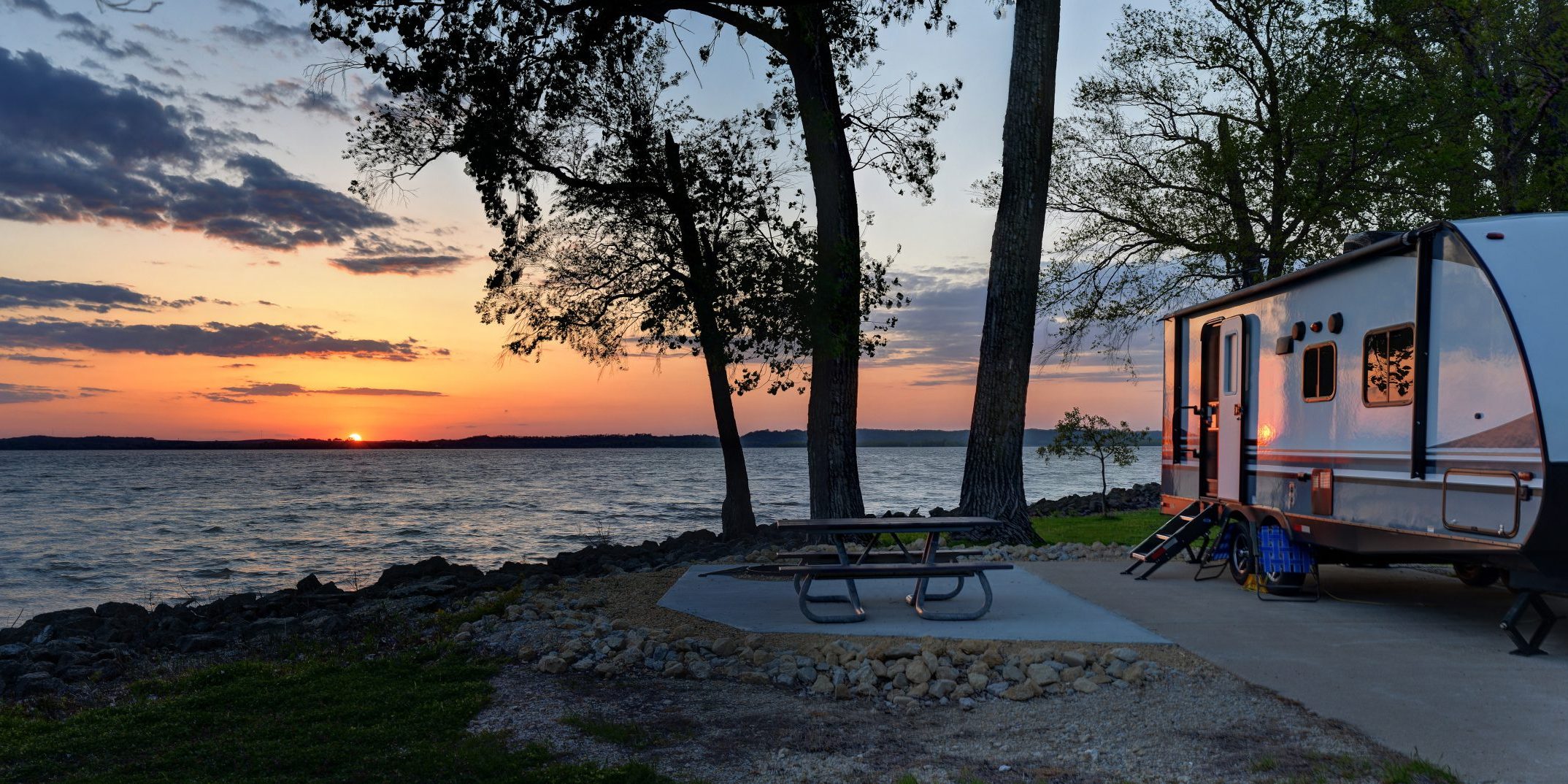
For many Northern Wisconsin residents, June marks the official start of RV season. Campgrounds around the area fill up fast as summer kicks off. But for some, RV life goes beyond weekend fishing trips or seasonal camping—it becomes a full-time lifestyle. Whether you’re parked near the Northwoods year-round, traveling between Wisconsin campgrounds, or downsizing into a fifth wheel as your primary home, one big question matters:
Does RV insurance cover full-time living?
The short answer: Not always. Standard RV insurance often isn’t enough if your RV is your permanent residence. Full-time RV living usually requires specialized coverage to protect both your vehicle and your lifestyle.
Understanding Standard RV Insurance vs. Full-Time RV Insurance
Many Wisconsin RV owners assume their regular RV insurance policy covers everything. While a standard policy typically includes liability, collision, and comprehensive coverage, it’s often designed for recreational use—not permanent living.
Full-time RV insurance is generally intended for people who live in their RV for six months or more each year. Full-timer policies often add protections similar to homeowners insurance, including personal liability, medical payments, and loss assessment coverage.
Standard RV Insurance Usually Covers:
- Collision damage from accidents
- Comprehensive damage from storms, theft, or vandalism
- Liability while driving
- Optional roadside assistance
Full-Time RV Insurance Often Adds:
- Personal liability when your RV is parked
- Medical payments for guests injured around your RV
- Personal belongings coverage
- Emergency expense coverage
- Loss assessment for campground or RV park associations
For Northern Wisconsin full-timers, this distinction is especially important because seasonal weather can create unique risks.
Why Northern Wisconsin RVers Need Extra Protection
Living full-time in an RV in Northern Wisconsin comes with unique challenges that seasonal travelers may not face. June may bring warmer weather, but Northwoods conditions can still include severe storms, hail, heavy rain, and fallen trees.
Northern Wisconsin Risks to Consider:
Hailstorms: Summer hail can damage roofs, skylights, and solar panels.
Heavy rain & flooding: Campgrounds near lakes or rivers may face water damage.
Wildlife collisions: Deer strikes are a real concern on Northwoods highways.
Winter storage or year-round living: Snow load and freeze damage may require additional endorsements.
If your RV serves as your legal residence in Northern Wisconsin, these risks become more than vacation inconveniences—they become homeowner-level concerns.
Does Wisconsin Law Require Full-Time RV Insurance?
Wisconsin law requires liability insurance for motorhomes driven on public roads, but full-time RV insurance itself is typically optional. However, if your RV is your primary home, standard policies may leave serious gaps. Wisconsin minimum liability requirements apply to motorhomes, but full-time living often demands broader asset protection.
For towable campers or travel trailers:
- Your tow vehicle often provides road liability
- Physical damage coverage is optional but highly recommended
- Full-time living endorsements may still be necessary
Common Coverage Gaps Full-Timers Miss
Many RV owners assume that if they already have RV insurance, they’re fully protected for full-time living. However, standard recreational policies often leave important gaps when your RV becomes your primary residence.
Potential Gaps Include:
No homeowners-style liability: Someone slips outside your camper and sues.
Limited personal property coverage: Electronics, fishing gear, or household goods may exceed policy caps.
Stationary RV exclusions: Some policies focus more on travel than permanent setup.
Address or domicile complications: Full-time RVers may need a legal mailing address for underwriting.
How Much Does Full-Time RV Insurance Cost in Wisconsin?
Costs vary based on:
- RV type (Class A, B, C, travel trailer, fifth wheel)
- Whether it’s financed
- Full-time occupancy
- Northern Wisconsin location
- Coverage limits
- Claims history
Because full-time policies often include broader liability and personal property protection, they generally cost more than recreational-only policies. However, the additional protection can be valuable if your RV is your home.
Best Tips for Northern Wisconsin Full-Time RVers
1. Be Honest About Usage
If you live in your RV more than six months annually, disclose it. Misrepresentation can affect claims.
2. Ask About Weather-Specific Coverage
Northern Wisconsin RVers should ask about hail, roof, tree, and freeze damage.
3. Protect Personal Belongings
Fishing gear, generators, Starlink equipment, and seasonal gear can add up fast.
4. Consider Emergency Expense Coverage
If your RV becomes unlivable after storm damage, hotel or temporary housing benefits matter.
5. Work With RV-Specialized Agents
Not all insurers handle full-time policies the same way, so local expertise can help.
Is Full-Time RV Insurance Worth It in Northern Wisconsin?
If your RV is your summer basecamp, seasonal cabin alternative, or year-round Northwoods home, standard RV insurance may not be enough. Full-time RV insurance can provide critical protections that function more like homeowners insurance—especially when Northern Wisconsin weather, campground liability, and property needs come into play.
For June travelers making the leap into full-time RV life, reviewing your policy before peak storm season is one of the smartest moves you can make.
Bottom line: If you live in your RV full-time in Northern Wisconsin, ask specifically for full-timer coverage—not just recreational RV insurance. The peace of mind can be well worth it when summer storms roll through the Northwoods. Contact Jensen-Sundquist Insurance Agency for a free quote or consultation on what type of insurance is right for you.
Frequently Asked Questions About Full-Time RV Insurance in Northern Wisconsin
Does standard RV insurance cover full-time living?
Not always. Standard RV insurance is often designed for recreational or seasonal use and may not provide enough protection if your RV is your primary residence. Full-time RV insurance typically offers broader coverage similar to homeowners insurance.
What is considered full-time RV living?
In many cases, full-time RV living means using your RV as your primary residence for six months or more per year. Insurance providers may define this differently, so it’s important to ask your insurer how they classify full-time occupancy.
Do I need homeowners insurance if I live in an RV full-time?
Traditional homeowners insurance usually does not apply to RV living. Instead, full-time RV insurance may provide similar protections, including personal liability and personal property coverage.
Does RV insurance cover storm or hail damage in Northern Wisconsin?
Comprehensive RV insurance may cover certain weather-related damage, but coverage can vary by policy. Because Northern Wisconsin often experiences hail, thunderstorms, and falling trees, reviewing weather-specific protections is especially important.
Are my personal belongings covered in a full-time RV policy?
Many full-time RV insurance policies include personal belongings coverage, but limits can vary. If you carry valuable items like electronics, fishing gear, outdoor equipment, or tools, you may need additional coverage.
Does RV insurance cover me when my RV is parked long-term?
Some standard policies may have limitations when an RV is used as a stationary residence. Full-time RV insurance is generally better suited for long-term or permanent occupancy.
Is RV insurance required in Wisconsin?
Motorhomes driven on public roads generally require liability insurance in Wisconsin. Towable RVs may have different requirements, but additional protection is often recommended for full-time use.
How can I lower the cost of full-time RV insurance?
You may be able to reduce premiums by:
- Bundling policies
- Maintaining a clean driving record
- Choosing higher deductibles
- Installing safety or anti-theft devices
- Shopping around for specialized RV coverage
Is full-time RV insurance worth it in Northern Wisconsin?
For many full-time RVers, yes. Northern Wisconsin weather, seasonal hazards, and long-term living needs can create risks that standard recreational RV insurance may not fully cover. Specialized coverage can offer more complete peace of mind.
Get a Quote